
From_Catalog Aws Glue
From_Catalog Aws Glue - The catalog object represents a logical grouping of databases in the aws glue data catalog or a federated source. Aws glue data catalog views with aws glue 5.0 allows. With aws glue, you can discover and connect to more than 70 diverse data sources and manage your data in a centralized data catalog. It is a managed service that you can use to store, annotate, and share metadata in the amazon cloud. The catalog objects api describes the data types and api related to working with catalogs in aws glue. Creates a new catalog integration in the account or replaces an existing catalog integration for apache iceberg™ tables that use aws glue as the catalog. Populate the aws glue data catalog with metadata tables from data stores. You can visually create, run, and monitor extract,. The aws glue data catalog is a centralized metadata repository for all your data assets across various data sources. Automatically discovers, catalogs, and organizes data across s3. Api reference for the aws glue data catalog. Use this tutorial to create your first aws glue data catalog, which uses an amazon s3 bucket as your data source. The catalog object represents a logical grouping of databases in the aws glue data catalog or a federated source. The amazon glue data catalog is your persistent technical metadata store. Aws glue uses the aws glue data catalog to store metadata about data sources, transforms, and targets. In this tutorial, we will use aws glue to demonstrate a common etl (extract, transform, load) task: Learn the features of aws glue, a serverless etl service that crawls your data, builds a data catalog, and performs data preparation, data transformation, and data ingestion to make your. Creates a new catalog integration in the account or replaces an existing catalog integration for apache iceberg™ tables that use aws glue as the catalog. Today, we announce support for aws glue data catalog views with aws glue 5.0 for apache spark jobs. We’re excited to announce the general availability of hive metastore (hms) and aws glue federation in unity catalog! Api reference for the aws glue data catalog. The catalog object represents a logical grouping of databases in the aws glue data catalog or a federated source. We’re excited to announce the general availability of hive metastore (hms) and aws glue federation in unity catalog! It allows users to discover, transform, and load data from various sources into data lakes,. Simplifies setting up, securing, and managing the data lake. Creates a new catalog integration in the account or replaces an existing catalog integration for apache iceberg™ tables that use aws glue as the catalog. The amazon glue data catalog is your persistent technical metadata store. You create a glue catalog defining a schema, a type of reader, and mappings if. Aws glue uses the aws glue data catalog to store metadata about data sources, transforms, and targets. The aws glue data catalog is a centralized metadata repository for all your data assets across various data sources. Glue catalog is only a aws hive implementation itself. Automatically discovers, catalogs, and organizes data across s3. Aws glue data catalog views with aws. You create a glue catalog defining a schema, a type of reader, and mappings if required, and then this becomes. Aws glue data catalog views with aws glue 5.0 allows. In this tutorial, we will use aws glue to demonstrate a common etl (extract, transform, load) task: This new capability enables unity catalog to. The catalog objects api describes the. We’re excited to announce the general availability of hive metastore (hms) and aws glue federation in unity catalog! In this tutorial, we will use aws glue to demonstrate a common etl (extract, transform, load) task: The aws glue data catalog is a centralized metadata repository for all your data assets across various data sources. Learn the features of aws glue,. The aws glue data catalog is a centralized metadata repository for all your data assets across various data sources. You can visually create, run, and monitor extract,. Simplifies setting up, securing, and managing the data lake. In this tutorial, we will use aws glue to demonstrate a common etl (extract, transform, load) task: It allows users to discover, transform, and. Populate the aws glue data catalog with metadata tables from data stores. You create a glue catalog defining a schema, a type of reader, and mappings if required, and then this becomes. This new capability enables unity catalog to. The amazon glue data catalog is your persistent technical metadata store. The catalog object represents a logical grouping of databases in. Aws glue uses the aws glue data catalog to store metadata about data sources, transforms, and targets. You can visually create, run, and monitor extract,. Today, we announce support for aws glue data catalog views with aws glue 5.0 for apache spark jobs. This new capability enables unity catalog to. Populate the aws glue data catalog with metadata tables from. The amazon glue data catalog is your persistent technical metadata store. It is a managed service that you can use to store, annotate, and share metadata in the amazon cloud. Api reference for the aws glue data catalog. We’re excited to announce the general availability of hive metastore (hms) and aws glue federation in unity catalog! Populate the aws glue. Creates a new catalog integration in the account or replaces an existing catalog integration for apache iceberg™ tables that use aws glue as the catalog. It is a managed service that you can use to store, annotate, and share metadata in the amazon cloud. This new capability enables unity catalog to. The amazon glue data catalog is your persistent technical. In this tutorial, we will use aws glue to demonstrate a common etl (extract, transform, load) task: Aws glue data catalog views with aws glue 5.0 allows. You create a glue catalog defining a schema, a type of reader, and mappings if required, and then this becomes. Today, we announce support for aws glue data catalog views with aws glue 5.0 for apache spark jobs. Converting csv files stored in an s3 bucket into parquet format. The aws glue data catalog is a centralized metadata repository for all your data assets across various data sources. Simplifies setting up, securing, and managing the data lake. It is a managed service that you can use to store, annotate, and share metadata in the amazon cloud. Automatically discovers, catalogs, and organizes data across s3. It provides a unified interface to store and query information about data. The amazon glue data catalog is your persistent technical metadata store. Creates a new catalog integration in the account or replaces an existing catalog integration for apache iceberg™ tables that use aws glue as the catalog. Glue catalog is only a aws hive implementation itself. The catalog objects api describes the data types and api related to working with catalogs in aws glue. Api reference for the aws glue data catalog. Aws glue uses the aws glue data catalog to store metadata about data sources, transforms, and targets.
Access Amazon S3 data managed by AWS Glue Data Catalog from Amazon

Simplify data discovery for business users by adding data descriptions

Populating the AWS Glue Data Catalog AWS Glue

Aws Glue Examples

AWS Glue Data Catalog as the centralized metastore for Athena & PySpark
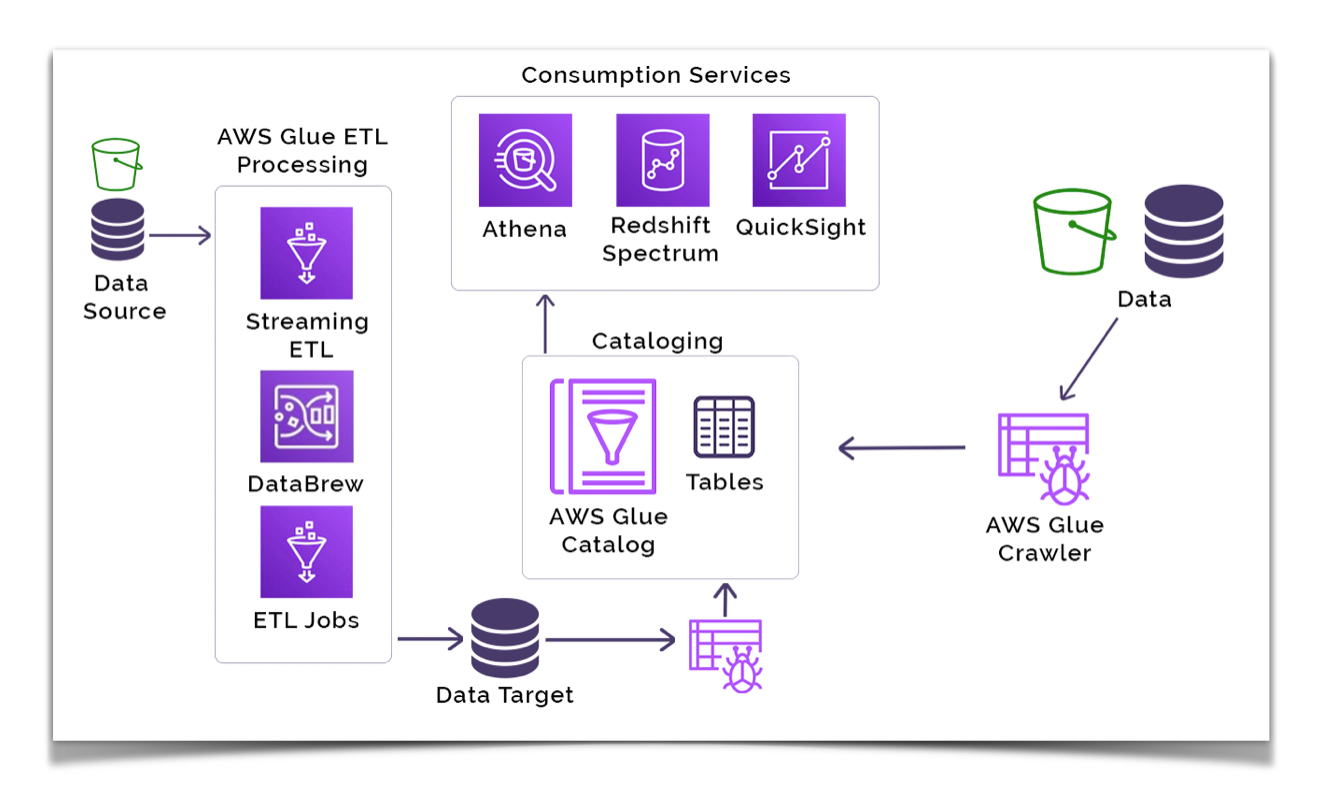
What is Amazon AWS Glue?
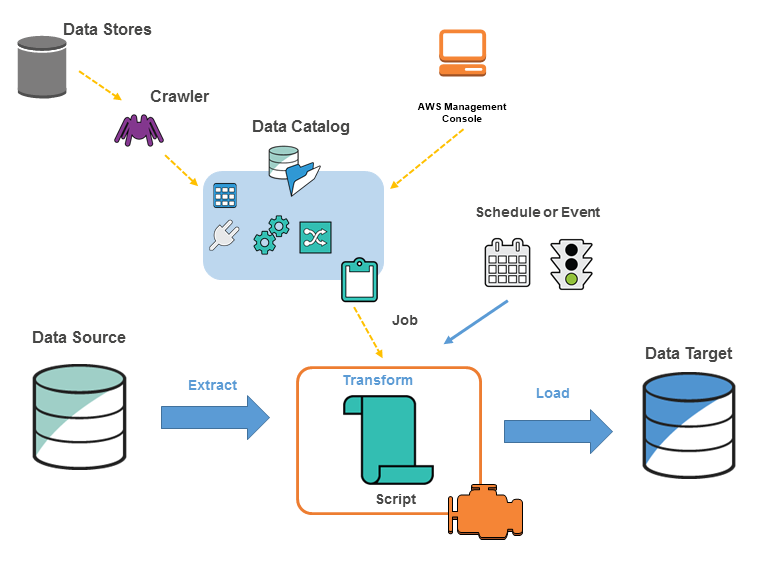
AWS Glue Concepts AWS Glue
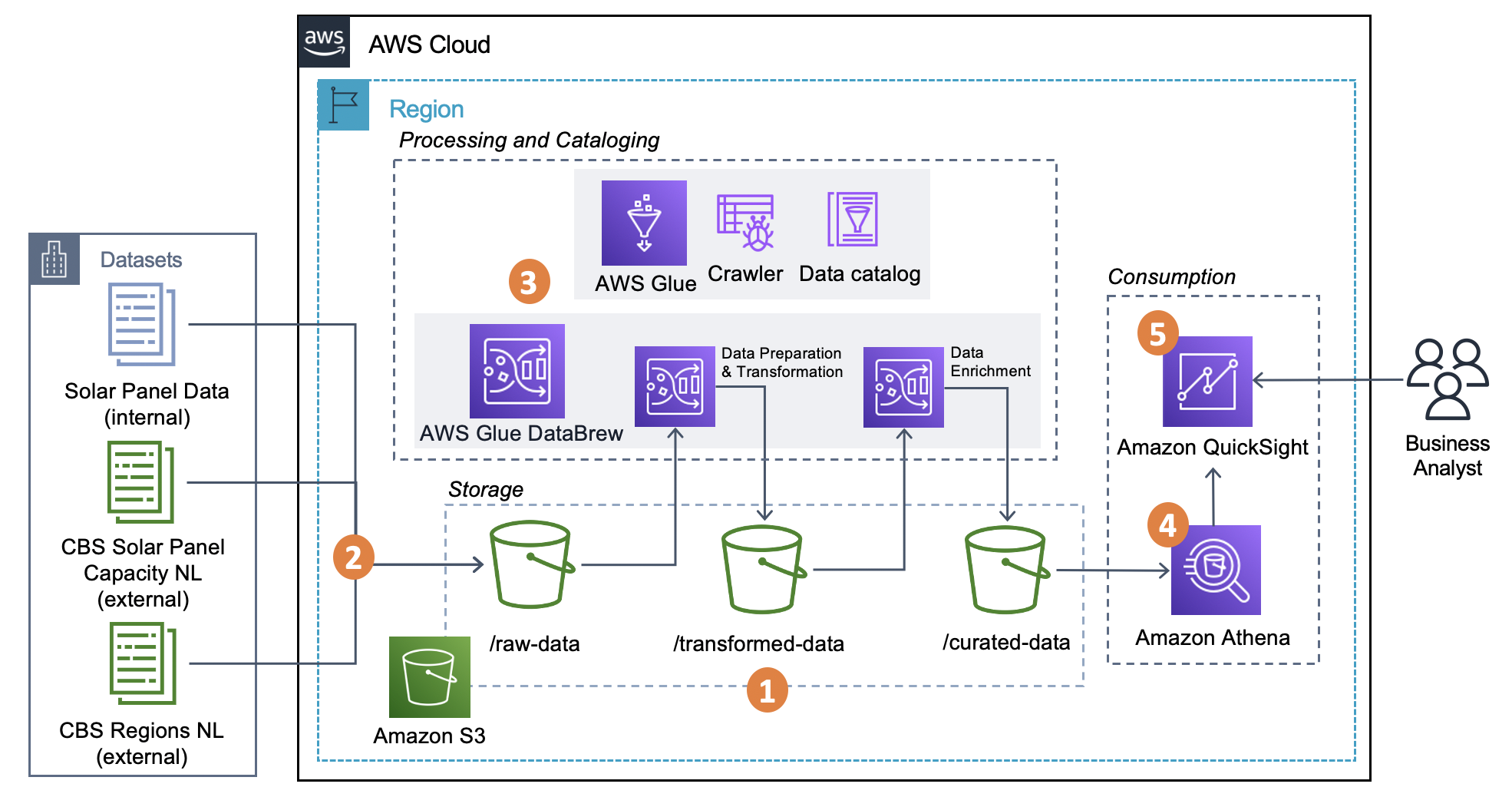
Enrich datasets for descriptive analytics with AWS Glue DataBrew AWS

Build operational metrics for your enterprise AWS Glue Data Catalog at

Getting started with AWS Glue Data Quality from the AWS Glue Data
Learn The Features Of Aws Glue, A Serverless Etl Service That Crawls Your Data, Builds A Data Catalog, And Performs Data Preparation, Data Transformation, And Data Ingestion To Make Your.
Populate The Aws Glue Data Catalog With Metadata Tables From Data Stores.
With Aws Glue, You Can Discover And Connect To More Than 70 Diverse Data Sources And Manage Your Data In A Centralized Data Catalog.
Use This Tutorial To Create Your First Aws Glue Data Catalog, Which Uses An Amazon S3 Bucket As Your Data Source.
Related Post: