
Catalogue Management In Ecommerce
Catalogue Management In Ecommerce - Catalog management is a vital part of ecommerce. But this approach faces several challenges, such as maintaining accurate and consistent product information. Providing accurate and clear product data to your buyers is a crucial element in the success of your online sales. Understanding these differences is key to choosing the right system—and ensuring your operations scale smoothly. It involves entering information like product pricing, descriptions, and specifications into a digital catalog management system. The ecommerce catalog management process involves organizing, maintaining and updating the product information in an online store. Rithum™ builds profitable and lasting commerce businesses for the world’s greatest brands, retailers, and suppliers. Ecommerce catalogue management is a way for your brand to maintain full control over what items are displayed to who, what information is attached to them and helps you increase online sales. Significance of ecommerce catalog management the importance of ecommerce catalog management. The key objective of ecommerce catalog management is to maintain consistency in product data and messaging across all sales channels. It involves structuring product data, managing inventory, and ensuring that each item is accurately described and categorised to provide a seamless shopping experience for customers. It helps businesses organize and maintain their online product catalogs, and it helps customers easily find what they’re looking for. Catalog and inventory management offers several benefits for businesses, making it easier to organize and present products to customers. What is ecommerce catalog management? The objective is to consistently present product data and messaging across all sales channels. This encompasses everything from product descriptions to images, pricing, inventory and other details displayed on the website. This fundamental practice encompasses the systematic organization, presentation, and maintenance of a comprehensive collection of products or services that a business offers. Leverage your professional network, and get hired. The ecommerce catalog management process involves organizing, maintaining and updating the product information in an online store. It involves entering information like product pricing, descriptions, and specifications into a digital catalog management system. Ecommerce catalog management is the systematic arrangement, maintenance, and optimization of a company's online inventory. Ecommerce product catalog management is the process of storing and organizing all of an ecommerce business’s product data. The objective is to consistently present product data and messaging across all sales channels. Catalog and inventory management offers several benefits for businesses, making it easier to. To thrive online, robust ecommerce catalog management is indispensable. It involves structuring product data, managing inventory, and ensuring that each item is accurately described and categorised to provide a seamless shopping experience for customers. Understanding these differences is key to choosing the right system—and ensuring your operations scale smoothly. Rithum™ builds profitable and lasting commerce businesses for the world’s greatest. The objective is to consistently present product data and messaging across all sales channels. While both ecommerce and b2b retailers rely on product catalogs to drive sales, their catalog management needs are often very different. Leverage your professional network, and get hired. This fundamental practice encompasses the systematic organization, presentation, and maintenance of a comprehensive collection of products or services. Leverage your professional network, and get hired. Understanding these differences is key to choosing the right system—and ensuring your operations scale smoothly. Providing accurate and clear product data to your buyers is a crucial element in the success of your online sales. The ecommerce catalog management process involves organizing, maintaining and updating the product information in an online store. 13. The objective is to consistently present product data and messaging across all sales channels. The information stored in your catalog is what gets displayed to customers on ecommerce platforms, marketplaces, or product pages. Catalogue management in ecommerce refers to the systematic process of organising, updating, and presenting products in an online store. By leveraging automation tools, smart fulfillment strategies, and. Catalog management for ecommerce vs. At the heart of any successful ecommerce operation lies the intricate discipline of product catalog management. It involves entering information like product pricing, descriptions, and specifications into a digital catalog management system. It helps businesses organize and maintain their online product catalogs, and it helps customers easily find what they’re looking for. The objective is. Understanding these differences is key to choosing the right system—and ensuring your operations scale smoothly. Catalog and inventory management offers several benefits for businesses, making it easier to organize and present products to customers. Ecommerce product catalog management is the process of storing and organizing all of an ecommerce business’s product data. Catalog management for ecommerce vs. At its core,. 13 online catalog ecommerce management jobs available in chicago, il on indeed.com. Significance of ecommerce catalog management the importance of ecommerce catalog management. This fundamental practice encompasses the systematic organization, presentation, and maintenance of a comprehensive collection of products or services that a business offers. Catalog management for ecommerce vs. The information stored in your catalog is what gets displayed. This fundamental practice encompasses the systematic organization, presentation, and maintenance of a comprehensive collection of products or services that a business offers. Catalog and inventory management offers several benefits for businesses, making it easier to organize and present products to customers. Catalogue management in ecommerce refers to the systematic process of organising, updating, and presenting products in an online store.. It helps businesses organize and maintain their online product catalogs, and it helps customers easily find what they’re looking for. This fundamental practice encompasses the systematic organization, presentation, and maintenance of a comprehensive collection of products or services that a business offers. To thrive online, robust ecommerce catalog management is indispensable. In ecommerce, catalog management is a strategic process that. The information stored in your catalog is what gets displayed to customers on ecommerce platforms, marketplaces, or product pages. Ecommerce catalog management involves organizing, updating, and optimizing product listings to ensure accurate representation and smooth customer interactions within an online store. It helps businesses organize and maintain their online product catalogs, and it helps customers easily find what they’re looking for. At its core, ecommerce catalog management involves the systematic organization, categorization, and maintenance of product information across digital channels to provide a seamless omnichannel ecommerce experience. Ecommerce catalog management is the systematic arrangement, maintenance, and optimization of a company's online inventory. The objective is to consistently present product data and messaging across all sales channels. Catalog and inventory management offers several benefits for businesses, making it easier to organize and present products to customers. To thrive online, robust ecommerce catalog management is indispensable. Rithum™ builds profitable and lasting commerce businesses for the world’s greatest brands, retailers, and suppliers. But this approach faces several challenges, such as maintaining accurate and consistent product information. While both ecommerce and b2b retailers rely on product catalogs to drive sales, their catalog management needs are often very different. Ecommerce catalogue management is a way for your brand to maintain full control over what items are displayed to who, what information is attached to them and helps you increase online sales. Providing accurate and clear product data to your buyers is a crucial element in the success of your online sales. Understanding these differences is key to choosing the right system—and ensuring your operations scale smoothly. The ecommerce catalog management process involves organizing, maintaining and updating the product information in an online store. Significance of ecommerce catalog management the importance of ecommerce catalog management.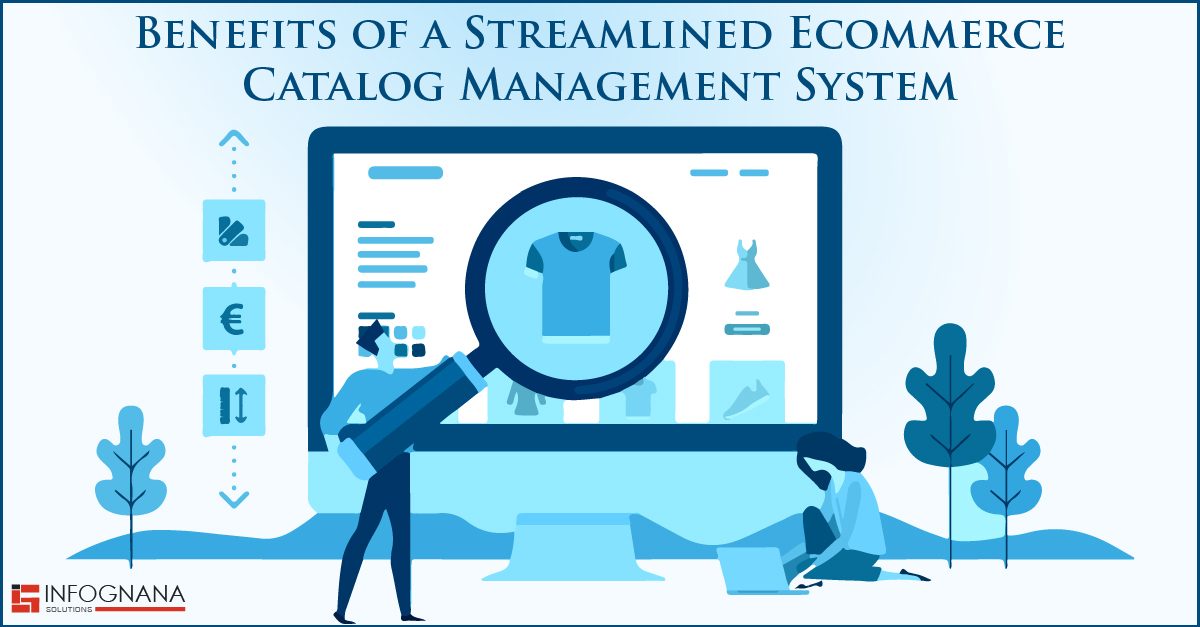
Benefits of Streamlined Catalog Management IG
Product Catalog Management Importance, Challenges

Catalog Management Streamlining Your Online Store

Mastering Product Catalog Management? How?

What are the Good Practices in Catalog Management
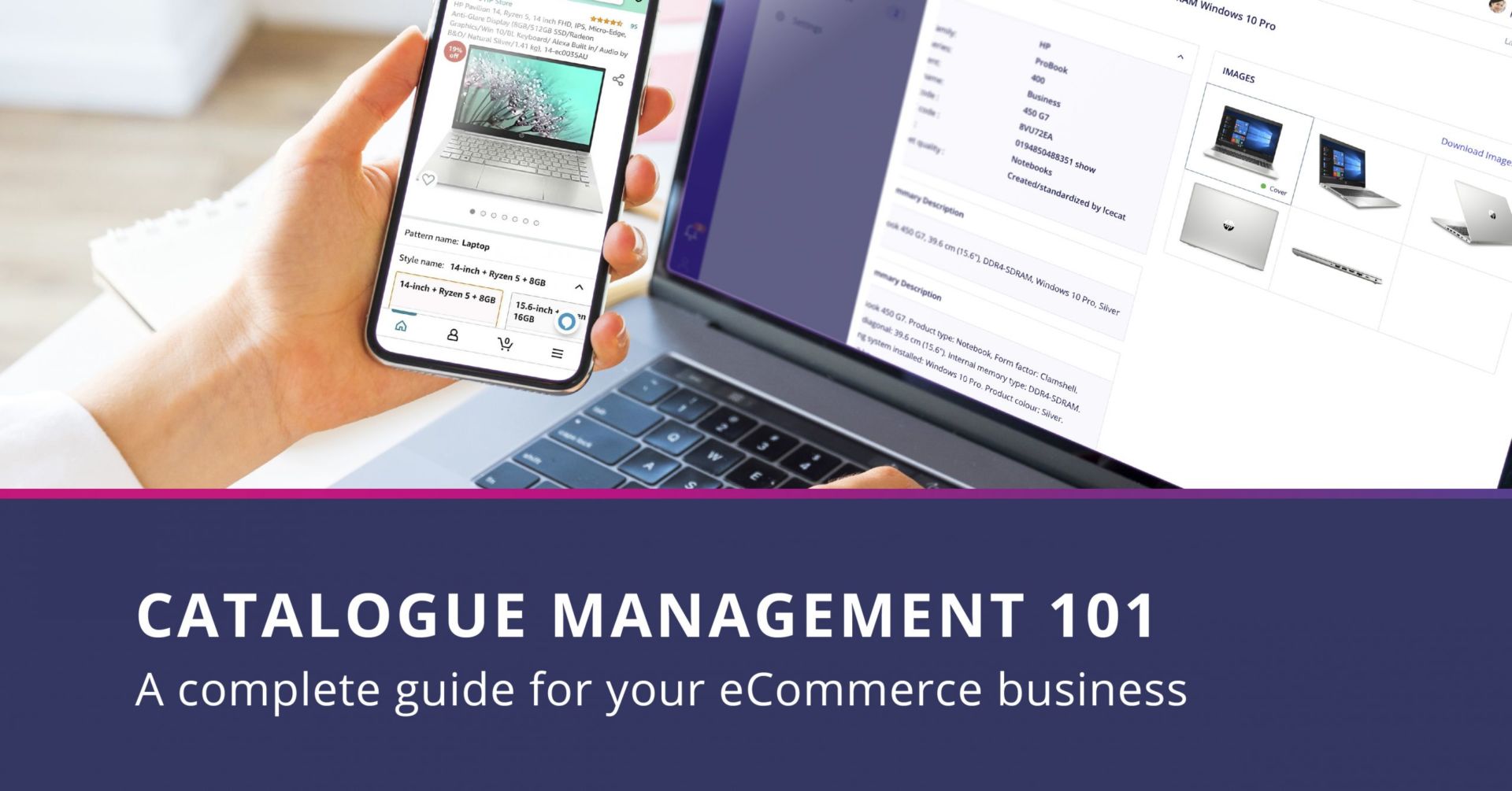
Product Catalogue management system for Everything you Need

How to Simplify Catalog Management for Scalability
What is catalog management and why is it important?
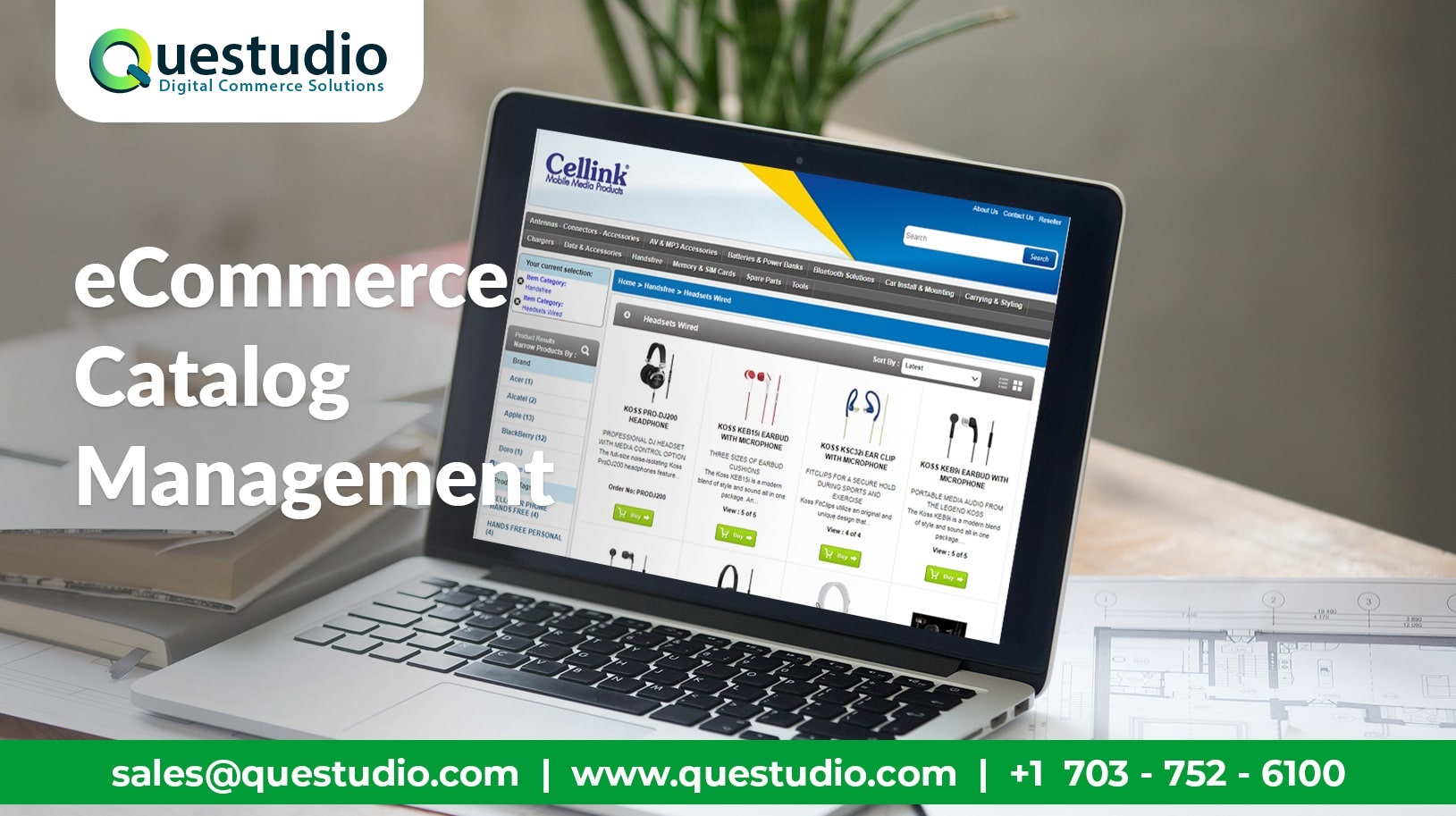
Efficient Catalog Management Questudio
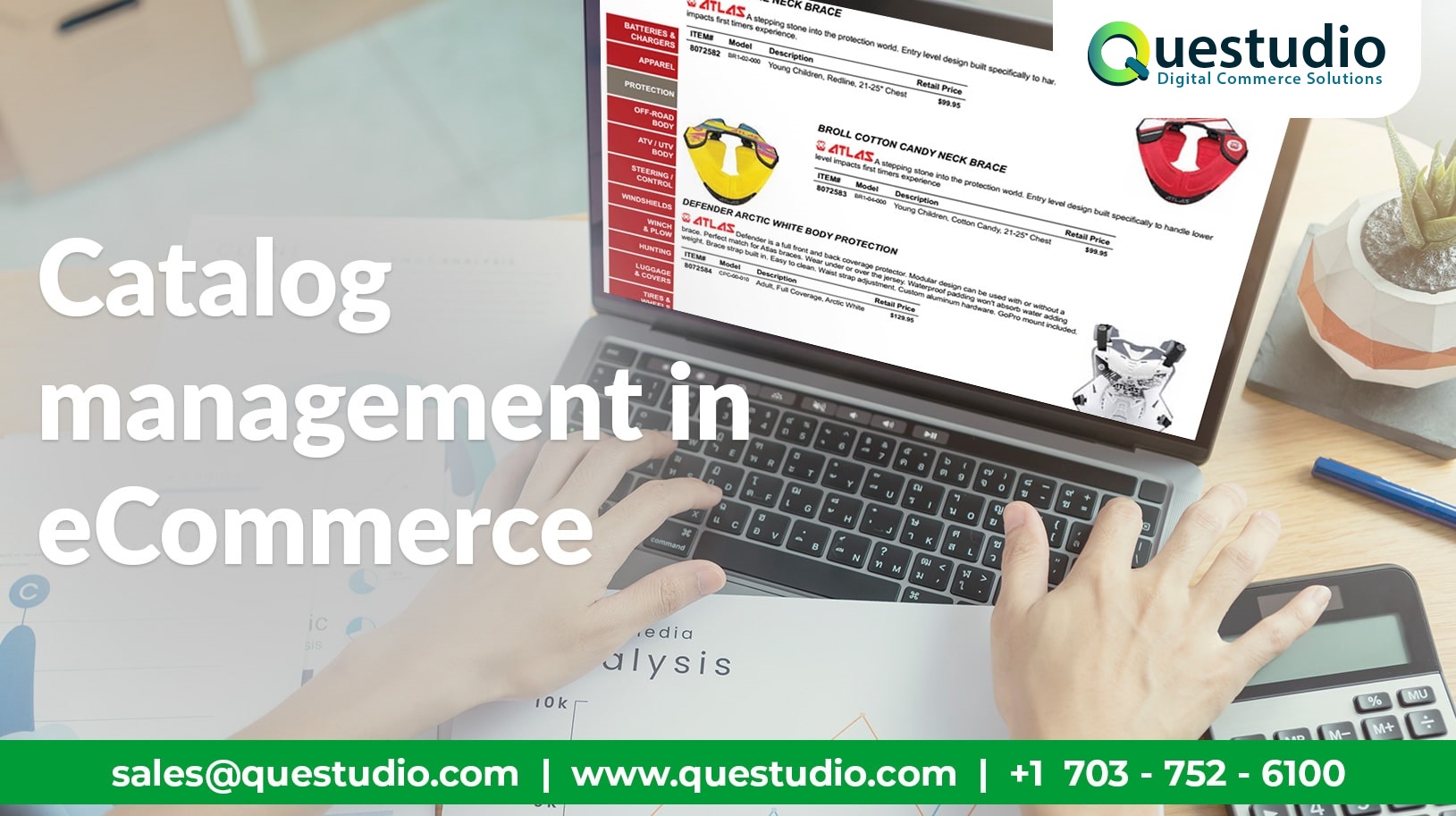
Catalog management in Questudio
In Ecommerce, Catalog Management Is A Strategic Process That Ensures The Organization And Oversight Of Product Listings Across Sales Channels.
By Leveraging Automation Tools, Smart Fulfillment Strategies, And Data.
Catalog Management For Ecommerce Vs.
This Encompasses Everything From Product Descriptions To Images, Pricing, Inventory And Other Details Displayed On The Website.
Related Post: